 Story Telling
Published Story
A Thriller to Read
1 chapterChapter 1
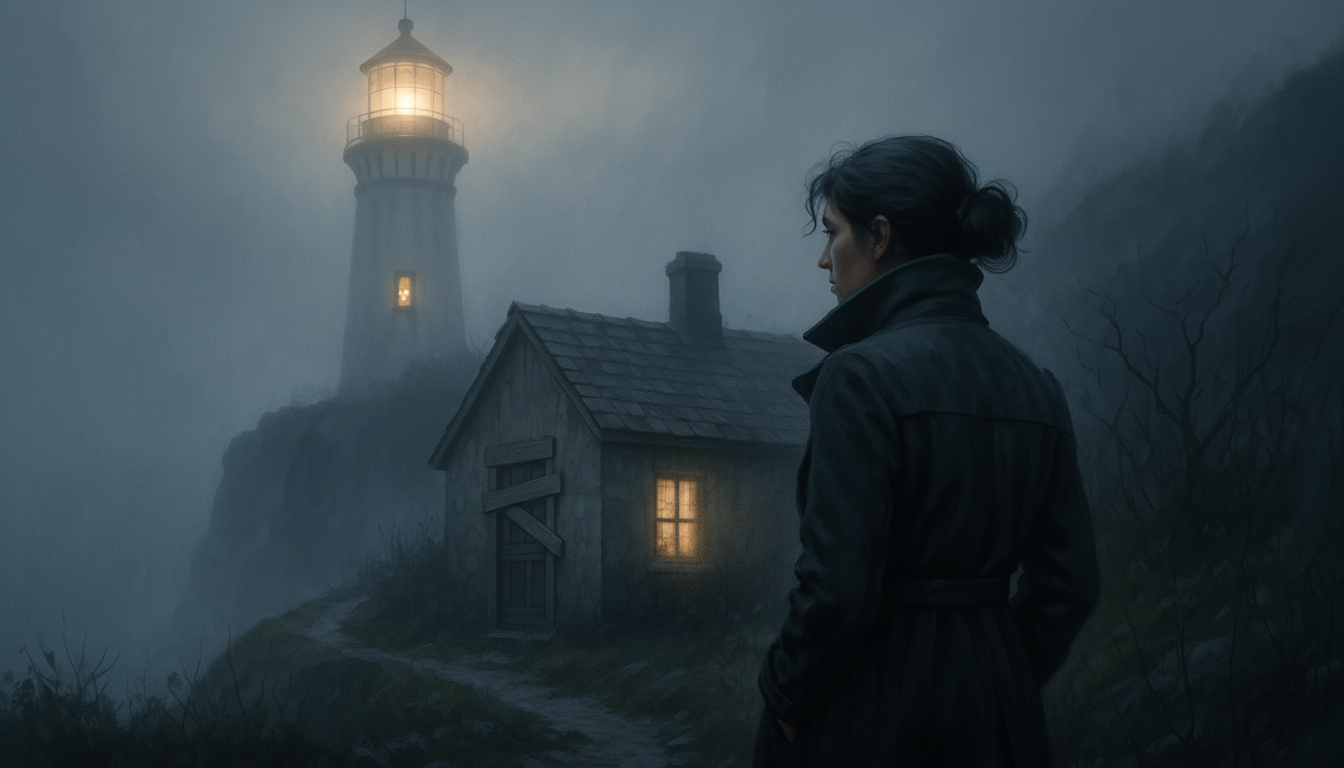
The fog came in off the strait the way it always did in October, thick as wool and smelling of salt and diesel, swallowing the lighthouse until only its lamp remained, a single yellow eye blinking through the murk. , if she waited long enough, simply open on its own.
It didn't. So she knocked.
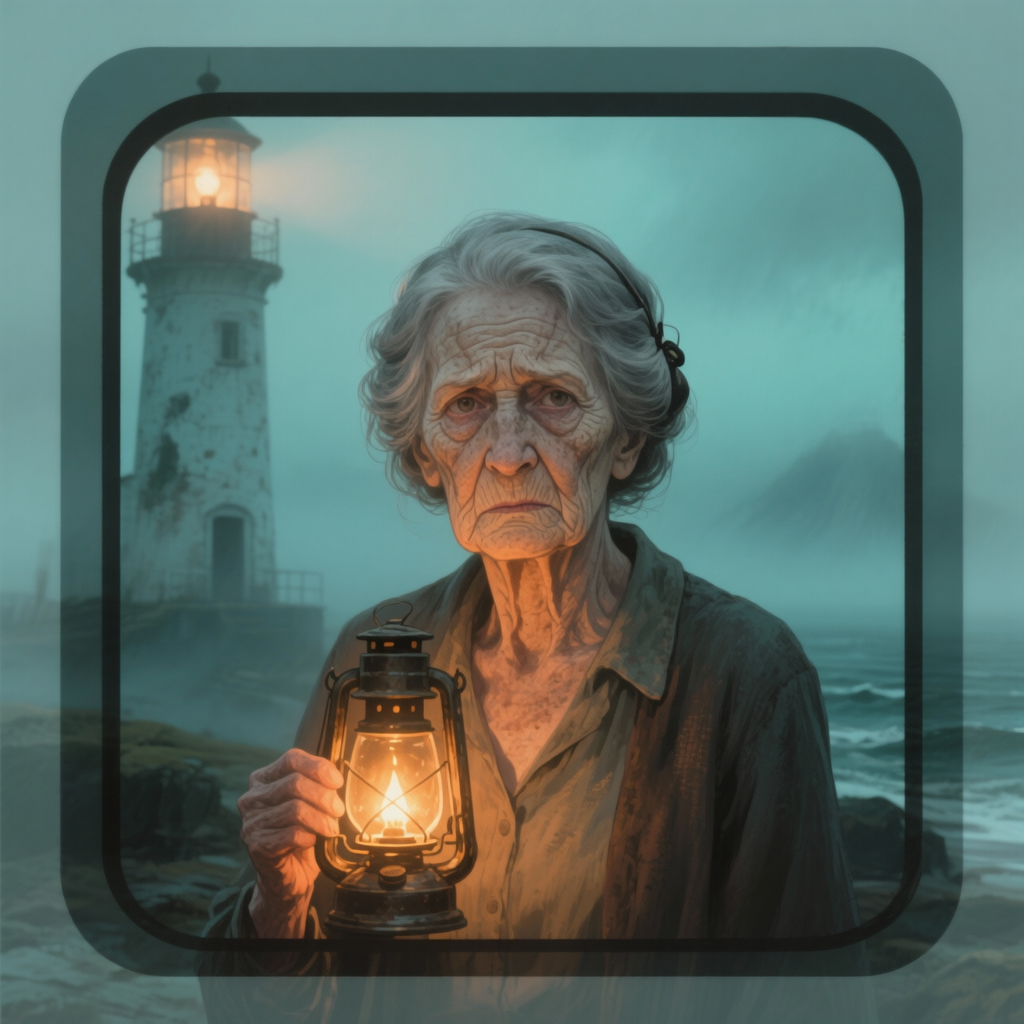
You've a nerve, coming out here at this hour. The dead don't keep office hours, Detective, but the living do.
Edith Calloway held the door open only as wide as her own thin frame, one hand still gripping a paraffin lamp, the other braced against the frame as if the wind itself might try to push its way inside with the visitor.

Neither does a missing boy, Mrs. Calloway. Thomas Reyne's mother called the station four times today. I'd rather knock on your door than knock on hers with nothing to tell her.
Something in the old woman's face shifted then, a small tightening around the eyes that Mara had learned, over fourteen years on the force, to read the way other people read weather — a pressure change before the storm broke.
Thomas Reyne came here three nights ago asking about the keeper's log. My father's log. I told him what I tell everyone — it burned in '61, same as the rest of the archive.
That's odd. Because he told his mother the exact opposite. He told her you showed him something. He told her it changed everything he thought he knew about his father.
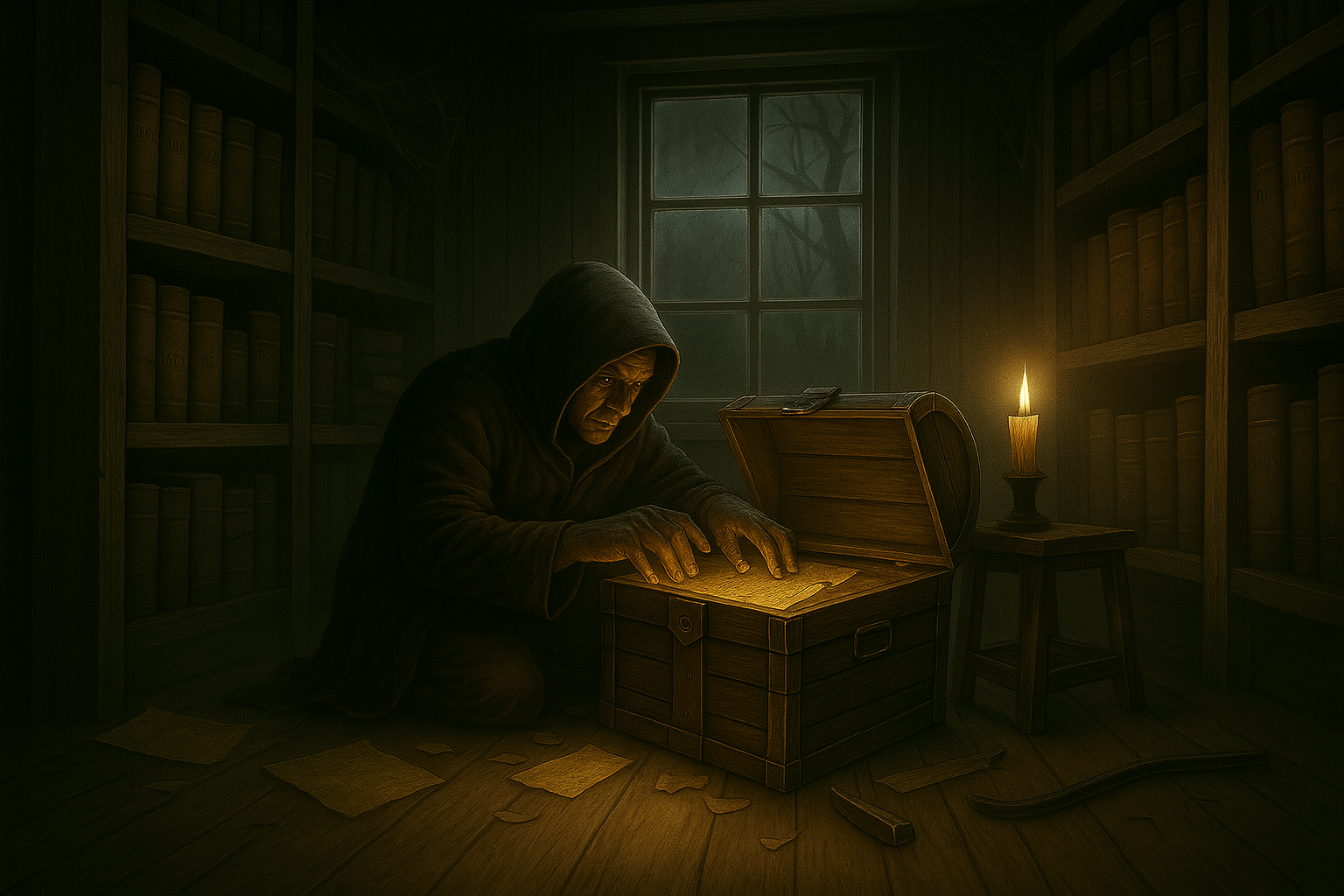 The lamp trembled slightly in Edith's grip, throwing long shadows up the stairwell behind her, across shelves crowded with ledgers that should not, by her own account, have existed at all. Mara let the silence stretch. She had learned that too — that people confessed more in the space after a question than in any answer they gave.
You should go home, Detective. There are things on this cliff that don't belong to the living, and a woman like you, chasing files and dates, you won't like what you find under them.
Try me. I've dug through worse than a burned log, Mrs. Calloway. I've dug through my own family's silences. This town isn't special in that regard.
Edith's laugh was short and dry, more cough than mirth, and she stepped back from the door at last, the lamp swinging a slow arc of light across a hallway lined with framed photographs — keepers going back generations, all of them staring out of their frames with the same flat, unreadable expression, as though the sea had taught them all the same lesson about what to hide and what to show.
Fine. Come in, then. But you'll wish, before the night's through, that you'd let this one stay drowned.
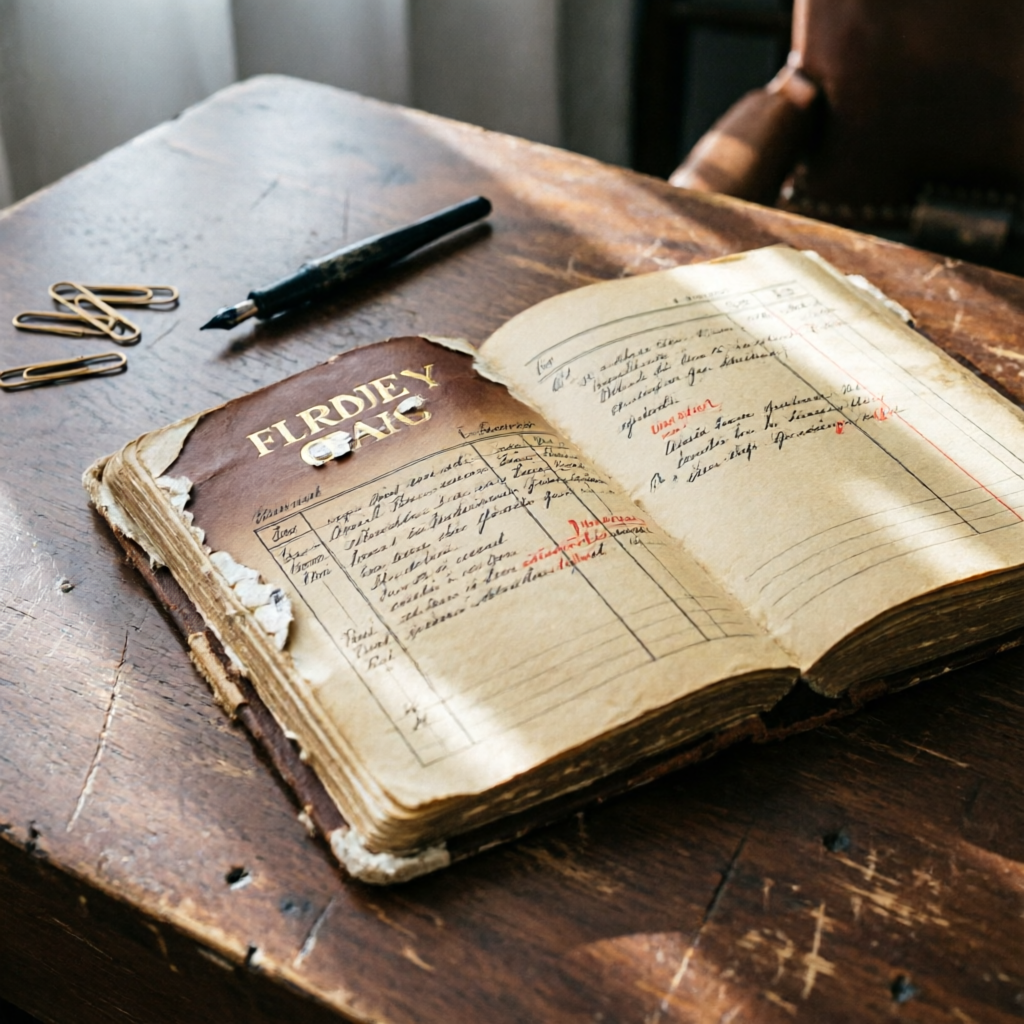
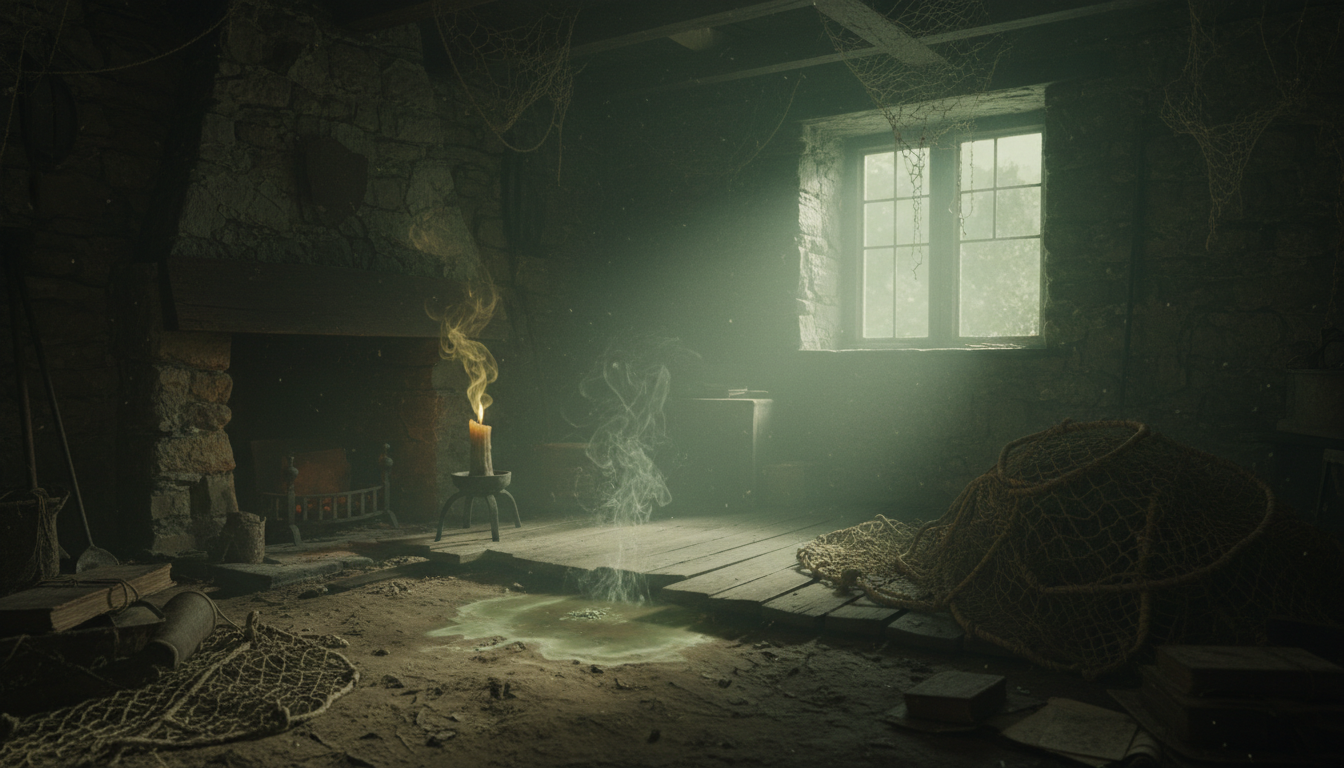
Is that it? The log that burned?
What burned was the copy the county wanted. This is the one my father kept for himself. There's a difference between what you show the world and what you keep for the nights you can't sleep.
She rolled the top back with a shudder of old wood, and the lamplight fell across pages gone the color of weak tea, dense with a cramped, looping hand that Mara found herself leaning toward before she'd decided to move at all. Dates. Weather. Ship names. And then, three-quarters down a page dated some forty years past, a single line set apart from the rest, underlined twice hard enough to have torn the paper.
"Not all the lights that guide ships home are meant to." What does that mean, Mrs. Calloway? What did your father see out there?
Edith did not answer immediately. She was looking past Mara, out the small window toward the lamp still turning its slow circle over the black water, and when she finally spoke her voice had dropped so low that Mara had to lean in to catch it over the wind clawing at the shutters.
He saw the same thing your Thomas went looking for. And now I think you should ask yourself, Detective, why a boy who came here for a story about a light left this house three nights ago and never once looked back at it — not even to be sure the door had shut behind him.
Outside, far below on the rocks, something struck the shore with a sound too heavy to be driftwood, and neither woman moved toward the window to look.